Binance Wallet is one of the most popular non-custodial crypto wallets, offering users full control over their digital assets. When it comes to buying and selling cryptocurrencies directly through the wallet, understanding the process, fees, and security measures is essential for both beginners and experienced traders.
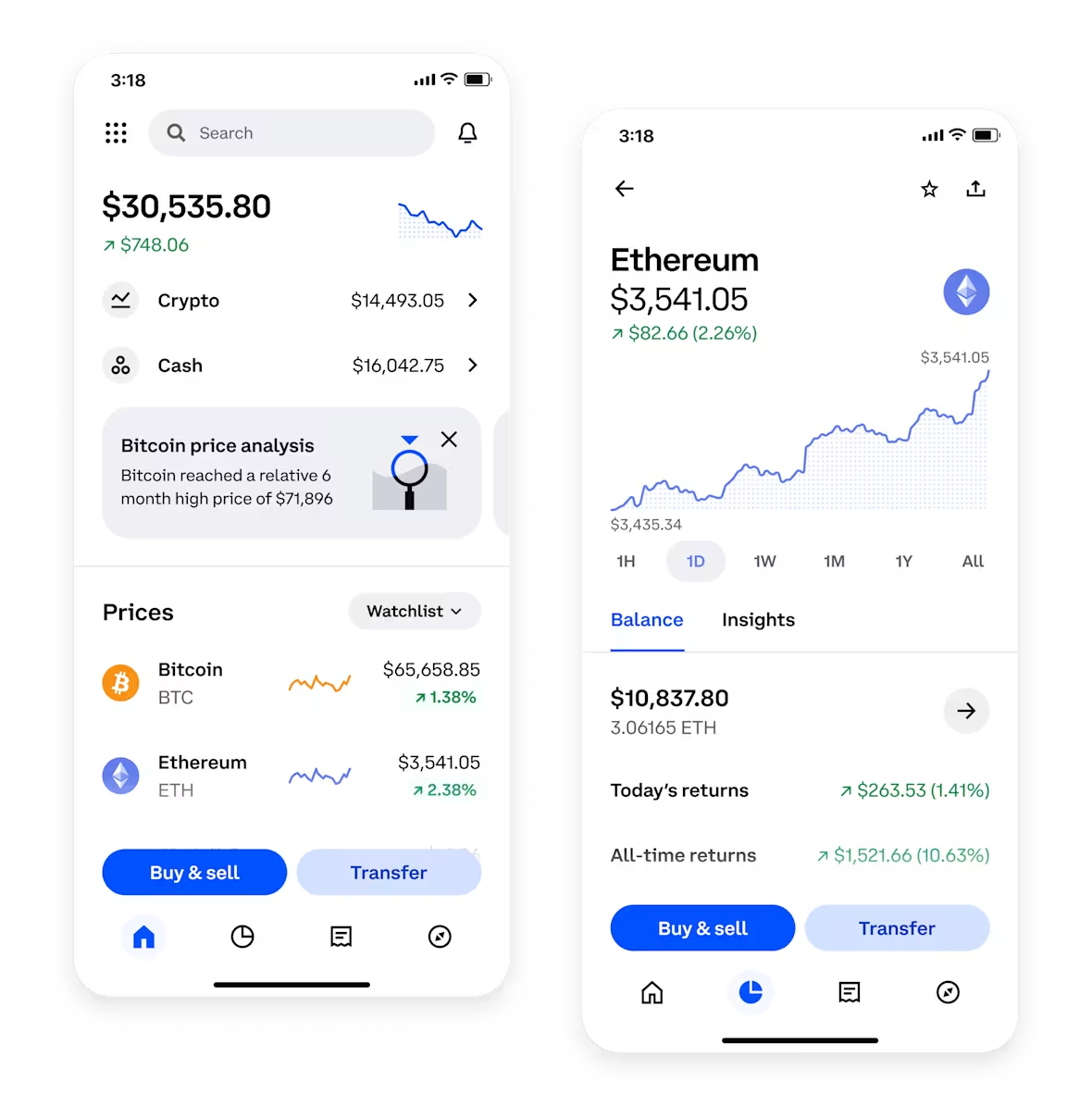
First, let’s clarify what "Binance Wallet buying and selling" means. Unlike the Binance exchange (CEX), the Binance Wallet (formerly Trust Wallet alternative) is a self-custody wallet where you hold your private keys. You can buy crypto using fiat currency through integrated third-party services like Simplex, MoonPay, or Banxa. These services allow you to purchase Bitcoin, Ethereum, BNB, and other tokens directly within the wallet interface. The process is straightforward: select "Buy," choose your fiat currency (USD, EUR, etc.), enter the amount, and complete the payment via credit/debit card or bank transfer. The crypto is then sent directly to your wallet address.
Selling crypto in Binance Wallet is slightly different. Because the wallet is non-custodial, you cannot sell directly for fiat within the wallet itself. Instead, you have two main options. First, you can send your crypto from the Binance Wallet to a centralized exchange like Binance.com, sell it there for fiat, and withdraw to your bank account. Second, you can use the wallet's built-in swap feature to exchange one cryptocurrency for another (e.g., BTC to USDT). For converting to cash, the exchange transfer method remains the most common and reliable approach.
When buying or selling, always check the fees. Third-party buying services typically charge a markup of 1% to 5% on the market price, plus a transaction fee. Network gas fees (e.g., Ethereum gas) also apply when transferring tokens. To save costs, consider trading on the Binance exchange itself if you already have funds there, and use the wallet primarily for long-term storage or DeFi activities.
Security is paramount. Never share your recovery phrase (seed phrase) with anyone. Binance Wallet never asks for your private keys. Always verify that you are using the official Binance Wallet app (check the developer name on Google Play or App Store). Also, enable biometric login and keep your app updated. When buying from third-party services, ensure the site is legitimate and not a phishing clone.
For users searching about "Binance Wallet buy sell crypto," it’s also helpful to know the supported networks. Binance Wallet supports multiple blockchains including Ethereum, BNB Chain, Polygon, Avalanche, and more. This means you can buy tokens on different networks, but always double-check that you are on the correct network before sending funds. A wrong network selection can lead to permanent loss of assets.
Another common query is whether you can buy meme coins or new tokens via the wallet. Yes, but you will likely need to swap BNB or BUSD for these tokens through the wallet's decentralized exchange (DEX) integration, such as PancakeSwap or Uniswap. The wallet has a built-in browser for accessing DApps, making it easy to trade directly from your wallet.
In summary, using Binance Wallet for buying and selling crypto requires a blend of simplicity and caution. Buy directly with fiat for convenience, but sell through an exchange to avoid high fees. Always prioritize security, verify every transaction, and stay informed about the latest wallet updates. Whether you are a holder or a daily trader, the Binance Wallet can serve as a powerful tool when used correctly.